“ A wand that can be used once a day to stop Time for thirty seconds.Enough time to take a weapon or a wizard's staff, dodge a fireball,get a head start whilst running away,ect.”
“ The religion believes in reincarnation, but that you will be reborn in the past. People of today are those re-born of tomorrow, with some discarded as trash. The most pure will be eventually reborn in the mythical paradise-like past, where people lived for hundreds, or maybe even thousands of years.
This goes nicely with beliefs into foresight (you know a little about the future because you have been there), but also to many complaints of how things are going always from bad to worse.”
“ The air had grown chill the minute they descended into the strange valley, which was unmarked on any of their maps. It was so strange here, devoid of animal life and completely silent. The horses were nervous the entire journey through the vale. As they set about to collect firewood for the campfire they could hear their own voices as dim echoes through the eerie silence.
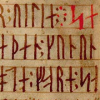
The food didn't taste anything that evening and their sleep was cold and troubled by nightmares. While they are clearing camp the next morning, one of them stumbles over a piece of stone jutting out of the ground nearby the horses. On closer inspection there seems to be runes engraved into the polished surface. The symbols true meaning is no more known among mere mortals and if they decide to dig deeper, they will discover that it is an ancient altar buried within the soil.
Any historically oriented party member will recognize the largest symbol to be the insignia of the powerful warlock who ruled this realm several centuries ago. At their departure from the area, something will seem amiss with one of the party members and all will remember the stories of the warlock's thousand curses.”